Veterinary Career Guide
Sectors / 12 September 2023
Becoming a qualified veterinary surgeon is notoriously long and demanding, but the career prospects and opportunity to work with animals make it worthwhile for most. If that level of study isn’t for you, veterinary nursing is an option, or another role working with animals, like a farmhand, zoo assistant, animal nutritionist or physiotherapist.
In this Career Guide, we will focus on three job roles in the veterinary sector: veterinary surgeon, veterinary nurse and veterinary ophthalmologist.
Potential Roles in Veterinary Services
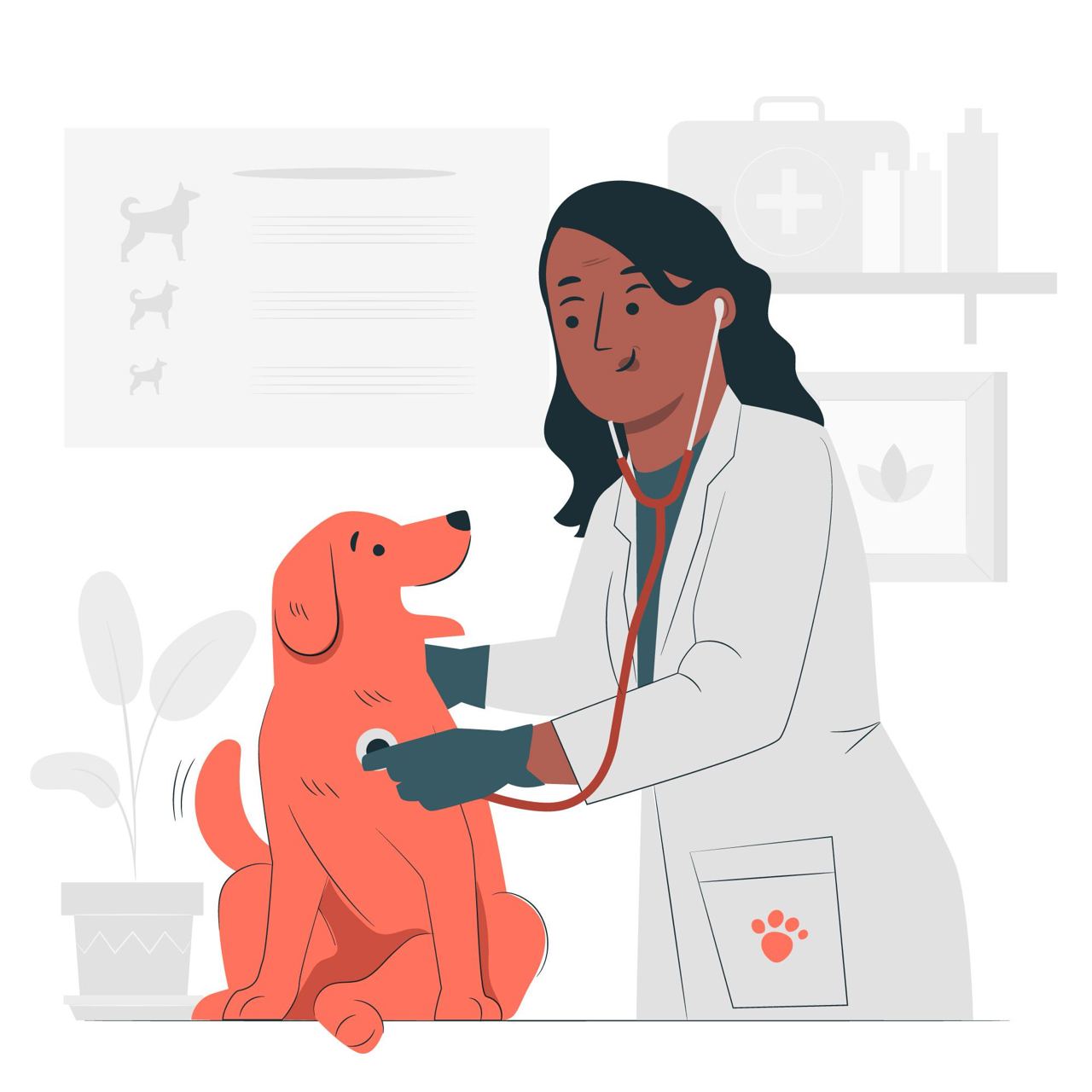
Job roles in the veterinary sector range from entry-level positions caring for animals to senior roles with a high level of responsibility. Once in the industry, you can choose to specialise by type of setting; for example, farms, zoos or walk-in vets for family pets.
Veterinary surgeons are doctors for animals, treating illnesses, injuries and carrying out preventative care. A job as a veterinary surgeon involves performing operations or medical procedures on a range of domestic, agricultural, exotic or wild animals. Veterinary surgeons also train in pharmacology and are responsible for prescribing and administering medications, including restricted medicines and anaesthesia.
Veterinary nurses support veterinary surgeons and care for animals during treatment and recovery. A veterinary nurse’s job involves health promotion, supporting animal owners, hands-on animal care, and running clinics, providing services like routine vaccinations and worming. Veterinary nurses are trained professionals and must have the appropriate education and qualifications to practice.
Veterinary ophthalmologists are qualified veterinary surgeons specialising in animal ophthalmology (eye care). A veterinary ophthalmologist job requires extensive training and involves diagnosing and treating eye conditions like cataracts, glaucoma and retinal detachments.
Salary and Career Progression
The available career opportunities differ between roles in the veterinary sector. Qualified veterinary surgeons have more options for career progression and earn higher salaries than support staff.
Veterinary surgeons can earn more by taking on more responsibility and gaining experience. Salaries start at around £30,000, rising to between £40,000 and £75,000 in the UK. Senior and specialist vet surgeons can earn upwards of £90,000.
The average salary for a US veterinary surgeon is around $90,000. Veterinary surgeons tend to earn more if they work with larger animals or specialise, for example, in complex cases or high-value animals, like horses.
Veterinary nurses in the UK start on around £17,500 at entry level, with the scope to earn up to £26,000 with a few years of experience. Senior veterinary nurses can bring in up to £37,000. In the US, veterinary nurses (more commonly referred to as Veterinary Technicians or Technologists) typically work at an hourly rate of between $23 and $30 per hour, although this can vary from state to state. Progression opportunities include moving up to practice manager or away from hands-on care to a lecturing or medical sales role.
Veterinary ophthalmology is one of the highest-paid veterinary specialisms. Animal ophthalmologists can earn up to $200,000 in the US and upwards of £100,000 in the UK. You can advance your career by working with complex cases or in larger, more prestigious practices. Equine ophthalmology is a particularly lucrative area of work.
Qualifications, Education and Experience
Veterinary surgeons must have the relevant qualifications and registration with a professional body. The following is necessary or beneficial:
- Grades 4-9 (C-A**) in most or all GCSEs taken
- 2-3 A Levels in Biology (essential) and chemistry, maths or physics at grades 6 (B) and above. Some universities insist on 3 grades of 7-9 (A-A**)
- Some universities may accept a relevant qualification, like a BTEC Diploma in Animal Science (distinction), for entry onto a degree training course
- Experience working with animals is compulsory, both in the UK and the US, ideally working alongside a vet
- A 5-6 year Bachelor’s degree in veterinary medicine or veterinary science (see below for study locations)
- Registration with the Royal College of Veterinary Surgeons if practising in the UK
In the US, training is exceptionally rigorous. Candidates must complete an additional four years of veterinary training after obtaining a Bachelor’s degree to become a regular vet.
To advance to the position of veterinary surgeon, they also need to:
- Complete another year of study
- Undertake a 3-year residency programme approved by the American College of Veterinary Surgeons
- Carry out a research study and publish it in a recognised industry journal
- Pass the North American Veterinary License Examination
- Obtain a license in the state in which they work
- Complete 15 hours of education every year to maintain their professional registration
Veterinary nurses must undergo training to work in their role. The following can be beneficial or compulsory:
- 4-5 GCSEs at grades 4-9 (C-A**)
- 2-3 A Levels to access university
- A Foundation degree (3 years) or a Bachelor’s degree (4 years) in veterinary nursing
- Graduates with a different degree, already employed by a vet practice, can complete a Level 3 Diploma in veterinary nursing while they work
- Your training route must be recognised by the Royal College of Veterinary Surgeons (RCVS)
- Regular training and ongoing registration with the RCVS are compulsory to practice in the UK
- In the US, candidates can complete a 2-year veterinary nursing programme or a 4-year degree which has elements of science and medicine
Veterinary ophthalmologists must be qualified veterinary surgeons, then undergo further training to specialise in ophthalmology. After completing their vet training (see above for requirements), the following is essential or beneficial:
- Active membership of the RCVS
- Experience in working in animal ophthalmology
- A Diploma from the European College of Veterinary Ophthalmologists or the American College of Veterinary Ophthalmologists
Skills
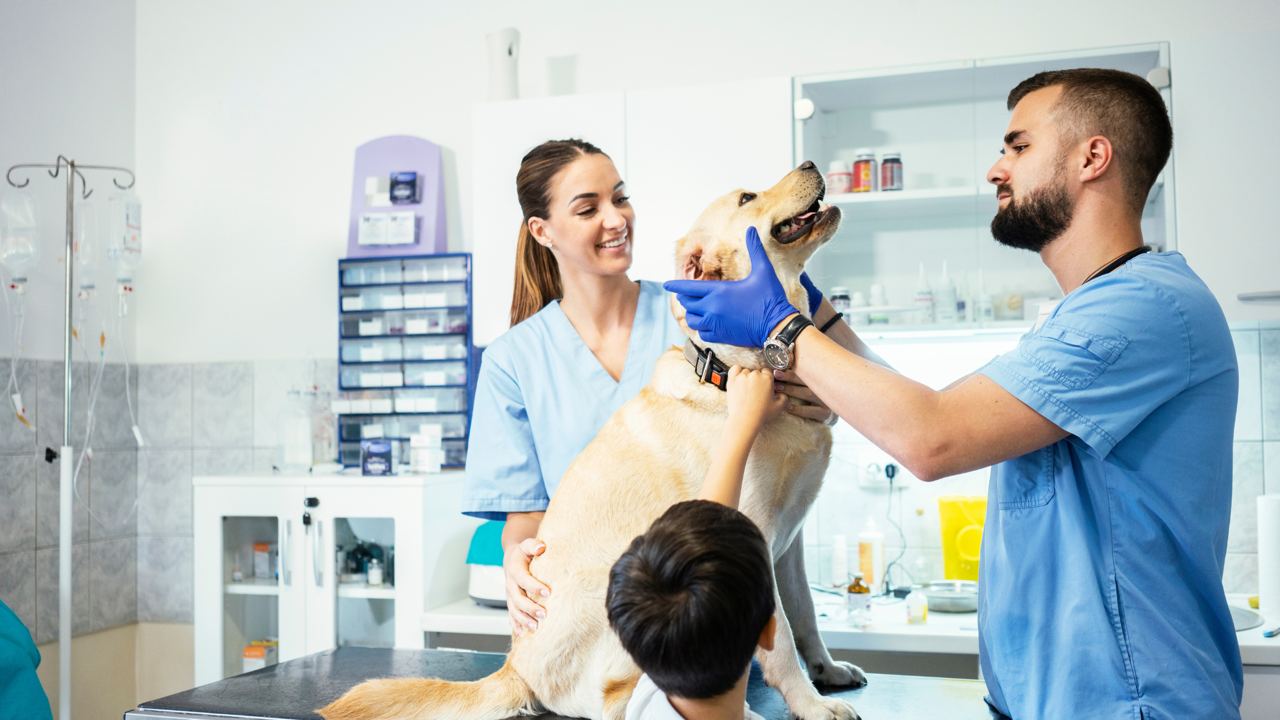
Veterinary surgeons are highly skilled professionals who must have the following:
- A love for and interest in animals
- Excellent maths skills
- IT skills and familiarity with relevant software
- Kindness and compassion
- Patience
- Empathy
- Dexterity
- Ability to stay calm under pressure
- Confidence around all kinds of animals
Vets must also pass an enhanced criminal background check.
Veterinary nurses benefit from the following skills:
- A love of animals
- Confidence around all kinds of animal
- Care and compassion
- Patience
- Empathy
- Ability to be present during medical procedures without getting squeamish
- Good maths and IT skills
- Personable and approachable
Veterinary ophthalmologists must have a similar skillset to general veterinary surgeons, including:
- A love for animals
- In-depth knowledge of eye anatomy
- Dexterity and a steady hand
- Ability to stay calm under pressure
- Confidence conducting specialist eye examinations, including slit-lamp biomicroscopy and gonioscopy
- An interest in current research
Working Hours
The standard working hours of a local practice vet are office hours of Monday to Friday, 9am to 5pm. However, most vets will work on an on-call rota for emergencies, covering weekends, nights and holidays.
Notable Locations
Qualified vets can work in any town, city or countryside location, in local pet practices, on farms or in zoos.
However, only eight institutions in the UK offer the relevant educational course to qualify as a vet:
The Universities of:
- Liverpool
- Surrey
- Edinburgh
- Cambridge
- Bristol
- Glasgow
- Nottingham
- London (Royal Veterinary College)
There are significantly more training locations around the US, including:
- Maryville
- Iowa
- Missouri
- Oklahoma
- Washington State
- Delaware
- Brooklyn, NY
- California
Notable Companies
- Independent Vetcare: UK company with over 500 veterinary practices and more than 2800 workers
- Vets4Pets: UK-based veterinary chain owned by Pets at Home, with over 440 practices across the UK
- CVS Group Plc: Owns over 500 vet practices across the UK, Ireland and the Netherlands
- Modern Animal: A californian veterinary company offering a membership-based vet cover
- The University of Florida Large Animal Hospital: Busy veterinary school and practice that specialises in equine care and ophthalmology
Next Steps
Sign up to JobLookup for the latest veterinary jobs straight to your inbox. To start your job search today, read The Ultimate Jobseeker Guide and take the next step towards landing your next role.
People Also Read

Electronics surround us in the modern world. Advances in robotics and artificial intelligence mean this industry is racing ahead and seeing significant changes each year. …

Driving instructors are responsible for teaching people to drive and pass their driving test to obtain a legal driving licence. As a driving instructor, you …

Architects plan and design the buildings that make up the infrastructure of our towns and cities. They play an essential role in creating our physical …
... What You'll Bring Previous experience as a Veterinary Receptionist Comfort ...
... potential Great team culture Required Qualifications: Active Registered Vet...
Thrive Hoffman Estates is seeking a Veterinary Anesthesiologist to join our col...
A leading veterinary organization in Austin, TX is seeking an ... will be board...
... is seeking a Board Certified or Residency Trained Veterinary Dermatologist ...
... in Pewaukee is seeking a Board-Certified Veterinary Ophthalmologist or Res...
