Manufacturing and Production Career Guide
Sectors / 17 April 2023

This career guide will focus on three job roles in manufacturing and production: manufacturing engineer, process operative, and fabricator.
Potential Roles in Manufacturing and Production
The manufacture and production of goods involves multiple stages, from innovation and concept development to planning, physical assembly (or maintaining the involved machinery), packaging and shipping. Jobs in this sector may be either hands-on, where you directly contribute to the production of goods, or hands-off, where you focus on planning, supervision and managing the process.
Manufacturing engineers are responsible for designing, building, maintaining and improving the machinery and processes used in manufacture and production. A manufacturing engineering job requires a high level of skill and advanced training but offers exciting career prospects and attractive pay in return. Manufacturing engineers keep the costs and environmental impacts of manufacturing processes as low as possible and play a vital role in the wider team.
Process operatives (sometimes called factory workers or production operatives) work on the production line in a factory, making, assembling or packaging goods like food items, equipment and furniture. In the US, this job may also be referred to as production operator, manufacturing associate, or assembly line worker. Your daily tasks can vary depending on the sector you work in. Some process operative jobs, for example, in the automotive, aerospace and agricultural sectors, may require you to handle industrial machinery and large materials. Process operative jobs can be repetitive and involve doing the same activities day after day, which suits some personality types more than others.
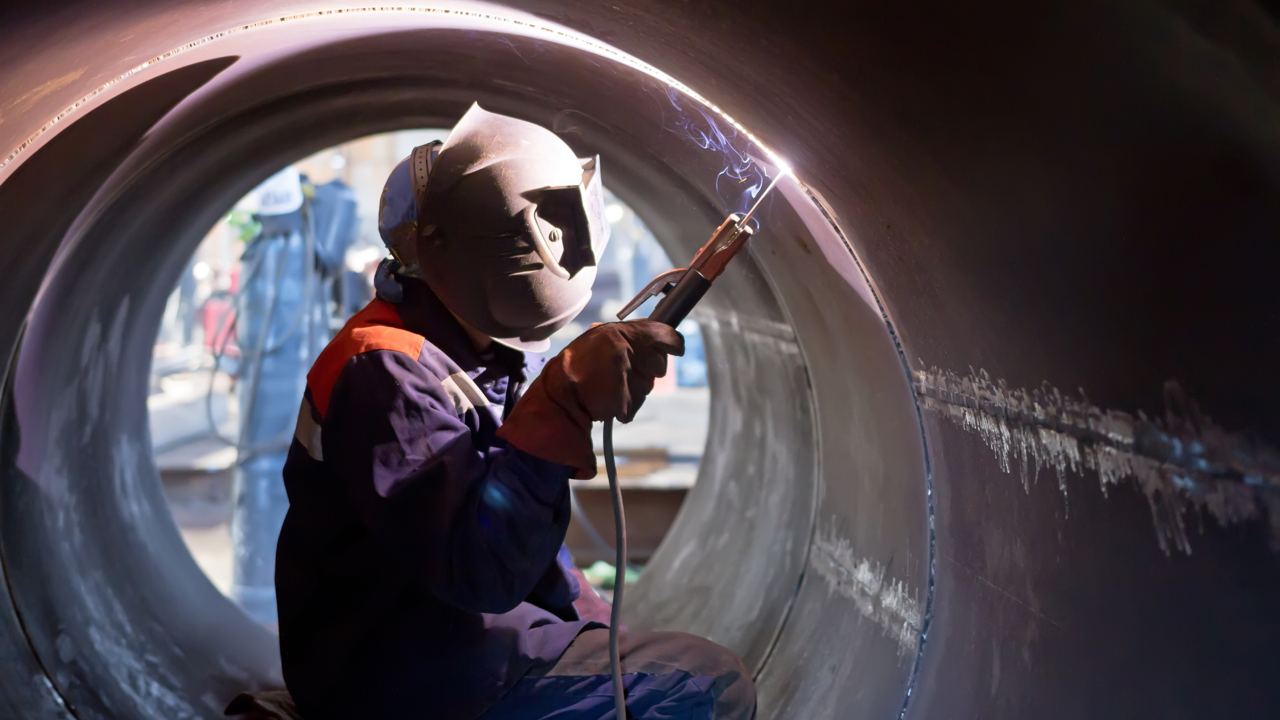
Fabricators are technicians who use raw materials, usually metal, to create products or parts to set specifications. A job as a fabricator involves skilled manual work that requires specific training and expertise. Most fabricators are trained welders and are comfortable using specialised tools and working in a very physical, hands-on role.
Salary and Career Progression
From entry-level positions to highly skilled technical roles, manufacturing and production careers come with varied paths for progression and often competitive salaries.
Manufacturing Engineer
Manufacturing engineers can work their way up in the industry through experience, additional training after completing initial engineering qualifications and professional accreditation. In the UK some decide to study for Chartered Engineer status (CEng) in their chosen engineering speciality. The CEng award is an industry qualification from the Engineering Council that can open opportunities for more specialised and highly paid roles.In the US, engineers may seek certifications such as Certified Manufacturing Engineer (CMfgE) or Certified Manufacturing Technologist (CMfgT) from the society of Manufacturing Engineers (SME) or pursue advanced degrees to move into senior and leadership positions.
In the UK, newly qualified manufacturing engineers can expect to start at around £25,000 to £30,000, and earn upwards of £40,000 with experience. Those in senior or certified roles may earn £60,000 and above, depending on location, industry and specialisation.
In the US, the equivalent salaries are $55,000 to $70,000 for newly qualified role, $70,000 to $95,000 with experience, and up to over $120,000 for senior and certified roles.
Process Operative
Process operative jobs are often starter positions with a low barrier to entry. In both the UK and US, many employers provide on the job training, so you don’t necessarily need formal qualifications to work in the role. Career progression opportunities can be limited in certain sectors, such as food production, but industries like aerospace, automotive production, and energy offer many more chances to advance through experience and certification.
In the UK, salaries typically range from around £19,000 to £32,000. In the US, the salary range is between $37,000 and $54,000.
Fabricator
Fabricators can progress by learning specialised techniques like Metal Inert Gas (MIG) or Tungsten Inert Gas (TIG) welding, gainining experience with CNC machinery, moving into planning and developing products, managing a team of fabricators or welders pr specialising in high-precision sectors like aerospace, automotive, or energy.
In the UK, fabricators typically earn between £20,000 and £34,000 per year, with higher salaries available for specialised, highly trained, and senior roles.
In the US, the salary range for fabricators is $34,000 to $67,000, with the possibility of earnigns over $70,000 depending on location, industry, and skill level.
Qualifications, Education and Experience
Manufacturing engineers are highly educated professionals who must generally have formal qualifications and industry-recognised credentials. The following may be necessary or advantageous:
In the UK
- 4-5 GCSEs grades 4-9 (C-A**)
- 2-3 A Levels or equivalent to access an undergraduate degree
- An apprenticeship or other vocational course to access or as an alternative to an undergraduate degree
- A bachelor’s degree in a relevant field of engineering recognised by a professional body
- Postgraduate qualifications, such as a master’s degree or doctorate
- Chartered engineer (CEng) status through the Engineering Council
- Professional registration with the Engineering Council
In the US
- High School diploma with strong performance in mathematics and science
- A bachelor’s degree in manufacturing engineering, mechanical engineering, industrial engineering, or a related field from an ABET-accredited institution
- A master’s degree for advanced or specialised roles
- Hands-on experience
- Professional Engineer (PE) licensure
- Certifications such as Certified Manufacturing Technologist (CMfgT) or Certified Manufacturing Engineer (CMfgE) from the Society of Manufacturing Engineers (SME)
Process operatives generally don’t need any specific education or qualifications, but the following could be beneficial:
In the UK
- Some GCSEs, particularly in maths and English
- Experience working in a factory or on a production line
- Fluency in spoken and written English
- Basic understanding of health and safety procedures
In the US
- High school diploma or equivalent
- Experience in manufacturing, warehouse, or industrial settings
- Strong English language skills, especially for safety and documentation
- Vocational courses in process technology or industrial operations
- Certifications such as the Industrial Process Operator (IPO) certificate or training endorsed by the North American Process Technology Alliance (NAPTA)
Fabricators must develop the practical skills needed to work with raw materials and create physical products to precise specifications. These skills can be gained through academic courses, vocational training, or on the job experience. The following can be helpful:
In the UK
- 4-5 GCSEs grades 4-9 (C-A*)
- An apprenticeship in Fabrication and Welding
- A diploma in a relevant subject, like Fabrication and Welding Engineering
- Experience working in a fabrication workshop or production environment
- An industry-recognised welding course, such as those accredited by TWI or City & Guilds
In the US
- High school diploma or GED
- Training at a vocational school or community college and resulting certificates in metal fabrication, welding, or CNC machining
- A relevant apprenticeship
- Industry-recognised certification, such as AWS Certified welder, AWS Certified Fabricator, OSHA Safety Certificate, NIMS Certified Machinist, or Sheet Metal Worker
- Work experience in manufacturing, construction, or industrial settings
Skills
Manufacturing engineers rely on a mix of advanced skills to do their job well, including:
- Excellent written and verbal communication skills
- Technical know-how
- Innovative and fresh thinking
- Confidence to challenge the status quo
- Good grasp of mathematics, including some advanced principles
- Attention to detail
- Logical and methodical thinking
- Project management skills
- Good timekeeping and time management skills
Process operatives can find the following skills valuable:
- Patience
- Willingness to do repetitive tasks
- Dexterity
- Knowledge of health and safety regulations
- Understanding of food safety regulations if working in food production
- Works well with others
- Takes direction well
Fabricators rely on practical skills to handle the materials and machinery involved in the job. The following can be beneficial:
- Dexterity
- Attention to detail
- Respect for health and safety measures
- Sound risk assessment skills
- Enjoyment of manual work
- Comfortable using equipment and machinery if necessary
Working Hours
Production lines in both the UK and the US typically run 24 hours a day, seven days a week, to maximise output and avoid downtime. If you work in production as a process operative or fabricator, for example, you’ll generally work rotating shifts to cover evenings, weekends and nights.
Those in strategic, planning, or engineering roles are more likely to work standard office hours of 9am to 5pm, Monday to Friday. However, manufacturing engineers may be expected to provide on-call cover to deal with breakdowns or urgent issues outside working hours.
Notable Locations
The UK offers plenty of opportunities for work in the manufacturing and production industry in numerous locations around the four home nations.
Some of the areas known for manufacture include:
- Sheffield
- Bristol
- Cambridge
- Milton Keynes
- Nottingham
- Leeds
- Liverpool
- London
The US also offers a wide range of opportunities in manufacturing and production.
The following cities are known for their skilled workforces:
- Houston, Texas
- Chicago Illinois
- New York City, New York
- St Louis, Missouri
- Phoenix Arizona
- SanDiego, California
- Cincinnati, Ohio
- Louisville, Kentucky
- Indianapolis, Indiana
- Greenville, South Carolina
Notable Companies
In the UK
- Siemens: Global electronics manufacturer working in multiple sectors, including transport, energy, and healthcare, with offices across the UK
- General Electric (GE): Global company specialising in machinery manufacturing. Employs nearly 18,000 people across 65 sites in the UK with additional operations in Ireland
- Jaguar Land Rover: Global brand and leading luxury automotive and consumer product manufacturer that offers in-house development with its own Jaguar Land Rover Learning Academy
- Associated British Foods: One of the largest UK food manufacturers, owning brands including Twinings, Patak’s, Ryvita and Kingsmill
- BAE Systems: The UK’s largest manufacturing employer, specialising in the production of defence and security technologies for the British armed forces and allied nations
- Airbus: Global aerospace manufacturer and the UK’s largest civil aerospace company, with major operations in wing design, defence systems, helicopters, and satellite technology. Airbus employs thousands across more than 25 UK sites
In the US
- General Electric (GE): A global leader in power, aviation, and healthcare manufacturing, with major US operations in New York and Ohio
- Ford Motor Company: Automotive manufacturer headquartered in Michigan, known for pioneering mass production and electric vehicle innovation
- Caterpillar Inc.: Specialises in heavy machinery for construction and mining, with manufacturing hubs in Illinois and Texas
- Tesla: Electric Vehicle and clean energy manufacturer with major facilities in California, Texas and Nevada
- 3M: Producing everything from adhesives to healthcare products, headquartered in Minnesota
- Procter & Gamble: Consumer goods giant manufacturing personal care and cleaning products, with facilities across the Midwest and South
- Lockheed Martin: Defence and aerospace manufacturer producing advanced military aircraft and systems, with major sites in Texas and California
Next Steps
Sign up to JobLookup for the latest manufacturing and production jobs straight to your inbox, and don’t forget to check out The Ultimate Jobseeker Guide for tips and advice on landing your next role.
People Also Read

Electronics surround us in the modern world. Advances in robotics and artificial intelligence mean this industry is racing ahead and seeing significant changes each year. …

Driving instructors are responsible for teaching people to drive and pass their driving test to obtain a legal driving licence. As a driving instructor, you …

Architects plan and design the buildings that make up the infrastructure of our towns and cities. They play an essential role in creating our physical …
Fabrication Technician Opportunity in Fulton, MS Monday–Friday • 4:00 ... ...
... 100 years, Maguire has been an industry leader in the fabrication, constru...
Job Description Job Description We are seeking a Welder/Fabricator / Finisher to...
Job Description Job Description We are seeking an Ornamental Steel Fabricator to...
Fabrication Assembler Lead **Job details** **General information** **Entity** S...
Sign Installer & Fabricator Are you the kind of person who'd rather be ......
