Feeling Flat at Work? How to Tell If It’s Burnout or Boredom (and What to Do)
Careers, Jobseekers / 05 November 2025
What you’re experiencing is probably one of two issues: burnout or boredom. The symptoms may look similar, but the causes and solutions are very different. Understanding which one you’re facing is the first step towards reclaiming your energy and motivation.
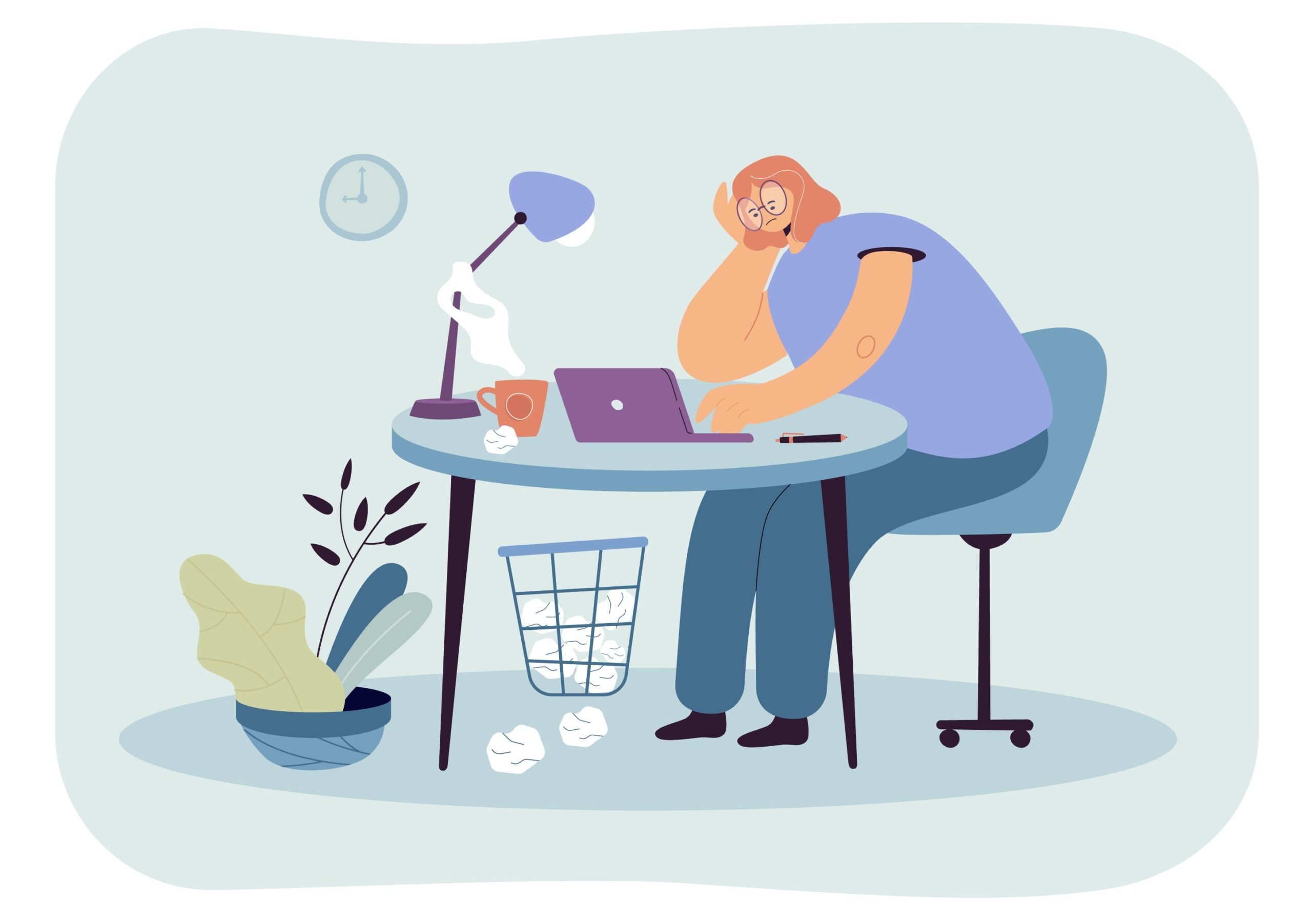
Burnout vs. boredom: what’s the difference?
While both burnout and boredom can damage job satisfaction, they have different causes and symptoms.
Burnout
When you experience burnout, you are emotionally, physically, and mentally exhausted because of ongoing stress. That might be coping with overwhelming workloads, facing unclear expectations, or feeling undervalued.
Symptoms of burnout include:
- constant fatigue and feeling drained
- being unreasonably irritable
- anxiety and feelings of dread
- reduced work performance because you’re overwhelmed
- headaches, lack of sleep, and unexplained aches and pains
- withdrawing from colleagues and social circles
- the feeling of constantly working but never getting enough done
Boredom
Boredom at work is caused by under-stimulation. It happens when you feel that your job isn’t interesting or challenging, or you’re not learning anything new. You may even consider your work to have no worth or meaning.
Symptoms of boredom include:
- feeling restless and distracted
- daydreaming
- frustration
- reduced work performance because you don’t care about your work
- procrastination
How to tell which one you’re facing
Now you know the difference between boredom and burnout, it’s time to identify which one is disrupting your working life.
First up, ask yourself:
- Do you feel trapped by your workload, even during non-working hours?
- Do you wake up feeling anxious about the work day ahead?
- Are you constantly on edge and in survival mode?
If the answer is yes, you’re probably dealing with burnout.
Now ask yourself:
- Do you feel underused at work and that your skills aren’t being stretched?
- Are you constantly clock-watching, zoning out, or craving something more interesting?
- Do you feel disconnected from your work, but not necessarily overwhelmed?
If that sounds familiar, boredom is most likely the problem.
You may experience both boredom and burnout together, but identifying the dominant feeling will help you choose the best path to recovery.
How to recover from burnout
Recovering from burnout starts with recognising that you need to make a change. You can’t just power through this problem. Give yourself permission to make those changes and rest. Here’s how.
Learn to say ‘no’
Think about why you feel forced to take on so much. Is it a case of FOMO (fear of missing out), worrying you’ll be judged by your manager, or ambition to get ahead? You don’t have to say ‘yes’ to everything that’s asked of you.
Set boundaries
This is all about protecting your time and energy. Take your breaks, including a full lunch-break, and finish work on time. Avoid overtime while you recover from burnout. Don’t answer emails or texts outside working hours. The same goes for meetings, even video meetings, scheduled for an evening or weekend if those aren’t your working hours.
Talk to someone
Whether it’s your manager, HR, a trusted colleague, or your GP, share what you’re experiencing. You might be able to adjust your workload, change your hours, or get some other kind of support.
Prioritise rest
First off, make sure you get enough sleep. The best way to do this is to set yourself a sleep schedule. Seven or eight hours sleep is the general rule for most people but also factor in a calming down hour in the run up to bedtime. That might mean reading a book, having a bath, or doing something else that doesn’t involve a mobile device, computer, or TV.
Second, factor in down-time that doesn’t involve screens of any kind, intense activity, or lots of people. You’re recovering from overwhelm. It’s important to let your mind be quiet. Take a leisurely walk in the park or countryside. Read a magazine. Meditate and practice mindfulness. Return to that hobby you love. The idea is to unwind and just be.
How to stop being bored at work
Boredom might seem less serious than burnout, but it can quietly chip away at your motivation and job satisfaction. The good news is that it’s usually easier to solve.
If you feel that your problem is boredom, you could:
- Ask for more variety at work. For instance, can you take on a new project, shadow a colleague, or rotate tasks?
- Upskill. Learning something new, perhaps outside your role, can reignite your passion for your job.
- Redesign your working day. Break up the monotony with short walks, creative breaks, or different work environments.
- Find purpose. Can you connect your work to a bigger goal or value? Even small resets could improve your job satisfaction.
- Explore a lateral move at work. If your current role feels stale, consider a sideways job change within your organisation.
Boredom is often a sign that you’ve outgrown your job and are ready for a new challenge.
When to seek help
Whether you’re burned out, bored, or both, you don’t have to face the situation alone. There is help available if you need extra guidance or support.
Consider reaching out if:
- your mood is affecting your relationships or daily life
- you’re struggling to sleep, eat, or concentrate
- you feel depressed and have no idea how to move forward
In the UK, you can speak to your GP, access NHS mental health services, or contact organisations like Mind for support. Many workplaces also offer Employee Assistance Programmes (EAPs) with confidential counselling.
Wrapping it up
While preventing burnout and avoiding boredom at work is always the best course of action, there’s no shame in admitting that your work life is less than sparkling. Feeling flat at work doesn’t mean you’re broken. You just need to make a change.
The first step is to identify what you’re experiencing. If it’s burnout, take it one step at a time. Set boundaries and concentrate on rest. Talk to someone and ask for help. If you’re bored at work, consider what could reinvigorate your working life. That might be taking on new responsibilities and projects, or making a sideways job move.
Whatever the cause of your dissatisfaction at work, your wellbeing matters. There’s no shame in asking for help or putting yourself first. Make the change now and get back to a working life you enjoy.
People Also Read

Improving your skills and knowledge, whether you’re a school leaver, a new graduate, an unemployed jobseeker, or an employee planning your next move, is a …

For many jobseekers, the idea of networking can seem intimidating and overwhelming. If you’re not a natural networker, and sometimes even if you are, the …

Transferable skills are the abilities you carry from one job or industry to another, such as communication, effective team working, problem solving, collaboration, and leadership. …
COREcruitment Ltd is seeking an Executive Chef for a luxury hotel property in Wa...
... Polk Food Share is seeking a Meals on Wheels Sous Chef to lead meal produc...
Invited Clubs is seeking an Executive Sous Chef at Gleneagles Country Club in Pl...
... in Houston, Texas, is seeking a dedicated Sous Chef to support the Executi...
... . Chang's is hiring for a Senior Sous Chef, Senior Kitchen Manager, or Chef...
... Daily Catch in Pasadena is looking for an experienced Sous Chef to support...
