Emotional intelligence for jobseekers: what it is, why it matters, and how to improve it
Careers, Jobsearch, Jobseekers / 27 February 2024
Emotional intelligence can improve your job performance because it helps you to work well with others, solve problems, and lead effectively. It can also assist in landing your ideal role because it enables you to showcase your strengths, handle stress, and impress potential employers.
Candidates who have high levels of emotional intelligence are in demand because they’re more likely to be productive, loyal, and adaptable employees. Developing your EI skills can give you a competitive edge in the job market and boost your career prospects.
Emotional intelligence is one of the employment skills that companies want to see in their employees in 2024.
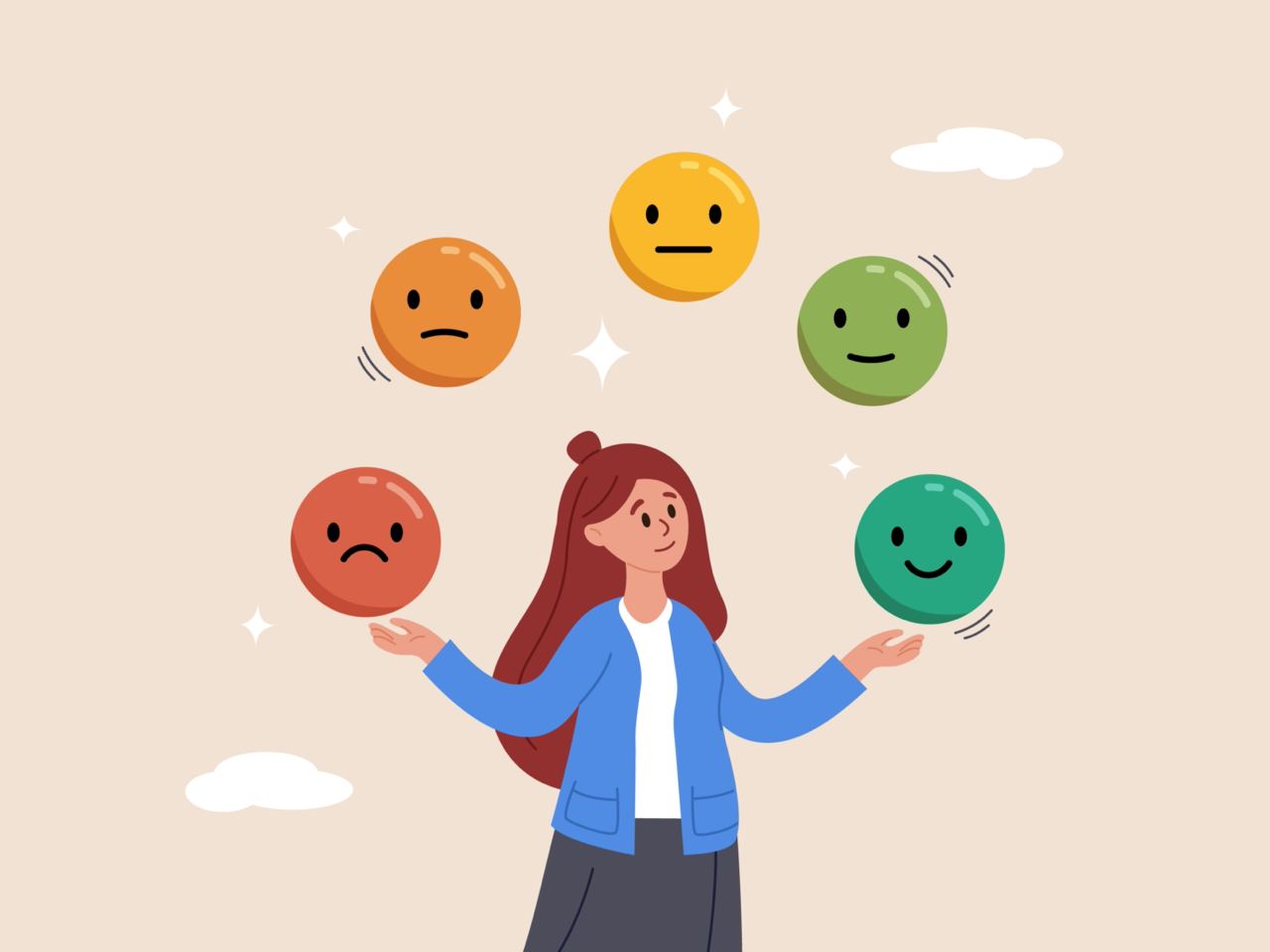
How to improve your emotional intelligence skills
Emotional intelligence is like any other skill. It can be developed with time and practice. Here are three ways to improve your emotional intelligence.
Assess your current emotional intelligence skills
The first step is to examine your current EI skills. For instance, you could answer the following questions:
- How aware are you of your own emotions and how they affect your thoughts and actions?
- How well can you regulate your emotions and cope with stress, anger, or frustration?
- How motivated are you to achieve your goals and overcome challenges?
- How empathetic are you towards others? How well can you understand their emotions and perspectives?
- How effective are you at communicating, collaborating, and resolving conflicts with others?
You can also ask for feedback from friends, family, and colleagues. Alternatively, a personality test like 16 personalities might be helpful.
This self-assessment will reveal your EI strengths and weaknesses, and provide pointers on which areas to work on.
Practice active listening
When you practice active listening, you listen to understand. This means:
- giving the speaker your full attention
- showing interest with eye contact and open body language
- noticing nonverbal cues such as tone of voice and facial expression
- asking open-ended questions to encourage a response and build understanding
- reflecting back what the speaker has told you
Active listening can help you to communicate effectively and build better relationships.
Continual self-reflection
Developing your emotional intelligence is a journey rather than a destination. We all go through periods of stress and our levels of emotional intelligence can suffer as a result. It’s therefore useful to regularly reflect on how you’re feeling, how your day or week has gone, and why you responded in a certain way.
Self-reflection can take many forms, depending on what suits you best. It might be:
- taking time to meditate
- thinking over your day and feelings on the way home after work
- keeping a physical journal or typing day pages on your computer
- asking for feedback from colleagues
- talking to friends and family about how you feel
- spending time in nature so you can think without any other demand on your attention
Self-reflection is a simple and powerful tool that can help you grow both personally and professionally.
How to showcase your emotional intelligence skills during your job search
Once you’ve assessed and developed your emotional intelligence, the next step is to demonstrate those skills to employers during your job search. Here’s how.
In your CV
The key to demonstrating any skill in your CV is to match your own skills to those mentioned in the job description. In this case, look for emotional intelligence skills. That might be communication, collaboration, conflict resolution, self and social awareness, or self-motivation. Which of the EI skills listed in the job description do you possess? Include these skills in your CV, using the same keywords and phrases as appear in the job description. Don’t forget to include examples of how you’ve used your EI skills in previous jobs.
At a job interview
Before the interview, create a number of examples of how you’ve used EI skills in your current and past jobs. The STAR method is a handy way to do this. Remember to keep the examples relevant to the job you’ve applied for.
During the interview, you can demonstrate your EI skills by:
- using active listening
- keeping your body language open, positive, and confident
- showing interest and enthusiasm
Wrapping it up
Emotional intelligence is a vital skill for job seekers. It can improve your communication skills, build better relationships, provide a way to cope with stress, and help you to overcome challenges. Improving your EI skills and showcasing them during your job search will increase your worth and individuality as a candidate. Ultimately, working on your emotional intelligence will improve your chances of job search success.
People Also Read

Whether you’re a job seeker aiming to land your next role or an employee looking to futureproof your career, it’s important to know which skills …

Mindfulness has become a popular buzzword in the wellness field, but what does it actually mean, and how can it help you at work? Read …

Finding a new job can be a challenge. Knowing which employers to apply to, where to find vacancies, or how to craft your CV can …
Community Care Home Health Services - White Plains - Would ... role in the orga...
Community Care Home Health Services - White Plains - Would ... role in the orga...
Community Care Home Health Services - White Plains - Would ... role in the orga...
Community Care Home Health Services - White Plains - Would ... role in the orga...
Community Care Home Health Services - White Plains - Would ... role in the orga...
... Care Home Care - Job Title: NJ Certified Home Health Aide (CHHA) Job Type:...
