Mentoring has long been used by employers to spread expertise, increase staff engagement, and unite diverse workforces. But how do you mentor employees when their working weeks are split between remote working and time on-site? How do you make sure that they receive the same quality of mentorship as employees who are based in the office?
- uniting a workforce split between remote and on-site employees
- maintaining levels of communication
- co-ordinating schedules
- ensuring that all employees feel part of the company
- equal opportunities and rewards
But there are ways to combat these challenges. Here are three strategies to successfully provide mentoring for hybrid workers.

Use The Right Technology To Mentor Hybrid Workers
Technology has answered three major challenges for hybrid workers:
- communicating with colleagues spread across different locations
- accessing and sharing information remotely
- feeling a part of the team and company
When it comes to mentoring hybrid employees, technology can also play a valuable role. However, using the right technology is key. What counts as the ‘right’ technology? It’s the software and apps, such as Zoom and Google Docs, that both the mentor and mentee are comfortable and familiar with. That doesn’t mean a new element, such as a collaboration tool like Slack, can’t be used. Instead, the mentoring format should be flexible enough to embrace the mentor and mentee’s different communication styles and preferences.
Using the right technology, to suit both mentor and mentee, eases communication and builds personal connection.
Example technology for mentoring:
- personalised communication channels, such as video calls and messaging platforms
- document sharing and collaboration
- scheduling tools, like a shared calendar or appointment booking app
- virtual spaces, like Slack or social media
Create A Structured Mentoring Programme For Hybrid Workers
While it’s useful to create a structure for any mentoring programme, this is especially true when mentoring hybrid workers. Employees who work from home for part or all of the week may often feel isolated from their team and company, out of the loop, and unmotivated. Working at a distance can lead to missed opportunities for learning, networking, and relationship building. Mentoring can answer all of those concerns.
A well-structured mentoring programme for a hybrid worker will:
- support professional growth
- build a sense of belonging
- set up expectations for how the mentoring will take place
- create goals and targets
- provide a way to monitor progress
Here’s how to create a structured mentoring programme for hybrid employees.
Introduce Mentor And Mentee To The Programme
It’s important that both mentor and mentee understand the purpose and benefits of the programme, how it will work, and their own role in the process. An initial orientation (or onboarding) session is the answer. It should include roles and expectations, what technology and communication channels will be used, and useful resources like handbooks, worksheets, and best practices.
The mentor and mentee should be introduced, even if they already know each other. This can be done formally in an on-site or video meeting, or informally by email, phone call, or messaging app.
Set Goals And Objectives
Any mentoring relationship must be built on an understanding of what both parties are striving for. What does success look like and how does that success benefit both mentor and mentee?
Setting clear goals and objectives provides a way to track progress, stay on a relevant path, celebrate achievements, and adjust direction as needed. When mentors and mentees set goals together, they align their expectations and build a common understanding.
Recognise How Hybrid Working Will Affect The Mentoring Process
It’s important to acknowledge the challenges of mentoring a hybrid worker. Let’s look at what those challenges might be and how mentoring can help:
- Technology overload: navigating multiple communication channels, like video calls, emails, and chat platforms, and software or apps can lead to feelings of overwhelm and reduced attention. The technology used for mentoring purposes must suit both parties and enhance the experience.
- Isolation and loneliness: Away from the in-person experience of a workplace, hybrid workers may miss out on spontaneous interactions, feel removed from the company culture, and lack motivation. The mentoring programme should provide the chance to make a personal connection as well as improve the employee’s professional development.
- Boundary blurring: Hybrid workers may struggle to define boundaries between work-life and personal-life. This can lead to an always-at-work mindset and burnout. Mentors can help by working on this issue with the mentee and restricting communication to agreed time-slots.
- Fear of missing out: Hybrid workers may miss out on opportunities for training, professional development, and networking because they’re not in the workplace. Or they may feel that they’re missing out. Mentoring programmes should be designed to bridge those gaps. This means providing the same opportunities for all employees, regardless of their work location, pattern, or requirements.
How these challenges might affect the mentoring process and what can be done to overcome them should be discussed early and regularly revisited.
Schedule Regular Check-Ins
Regular communication is key to effective mentoring for hybrid workers, providing an opportunity to connect, reflect and adjust. Here’s why regular check-ins are so important:
- They keep the mentoring relationship alive, building trust and rapport.
- They maintain, or even increase, mentor and mentee enthusiasm and engagement.
- They provide an opportunity to exchange feedback, check progress, course-correct, and celebrate wins.
Remember, not all check-ins have to be formal. A quick chat on a messaging app or brief email exchanges have their place too.
Encourage Peer-To-Peer Mentoring
Peer-to-peer mentoring is a valuable tool to promote learning, collaboration, and skill-sharing within a workforce. While it may be an older employee passing on their knowledge to a younger, less experienced colleague, it might also be:
- one employee passing on their knowledge and skills to an older colleague, for instance, about the latest technology, social media, or emerging industry trends
- employees from different departments mentoring each other, such as a computer programmer training sales staff on how to use an app or software
- employees training their colleagues on skills that they excel in, such as giving presentations or conflict resolution
Peer-to-peer mentoring encourages employees to value their own skills and knowledge and have the confidence to train their colleagues.
You might also like to read Cross-Generational Learning To Bridge The Age Gap.
Wrapping it up
Mentoring allows employers to harness the treasure trove of knowledge and skills held by their workforce. It’s a win-win situation. Employees feel recognised for their expertise, learn new skills, and have a stronger sense of community. Companies benefit from increased employee engagement and productivity, without the expense of an external trainer.
The increase in hybrid working may have added a complication to the mentoring process, but that doesn’t mean that mentoring shouldn’t be available to hybrid workers. Instead, it simply takes a little more planning, consideration, and adaptability.
People Also Read
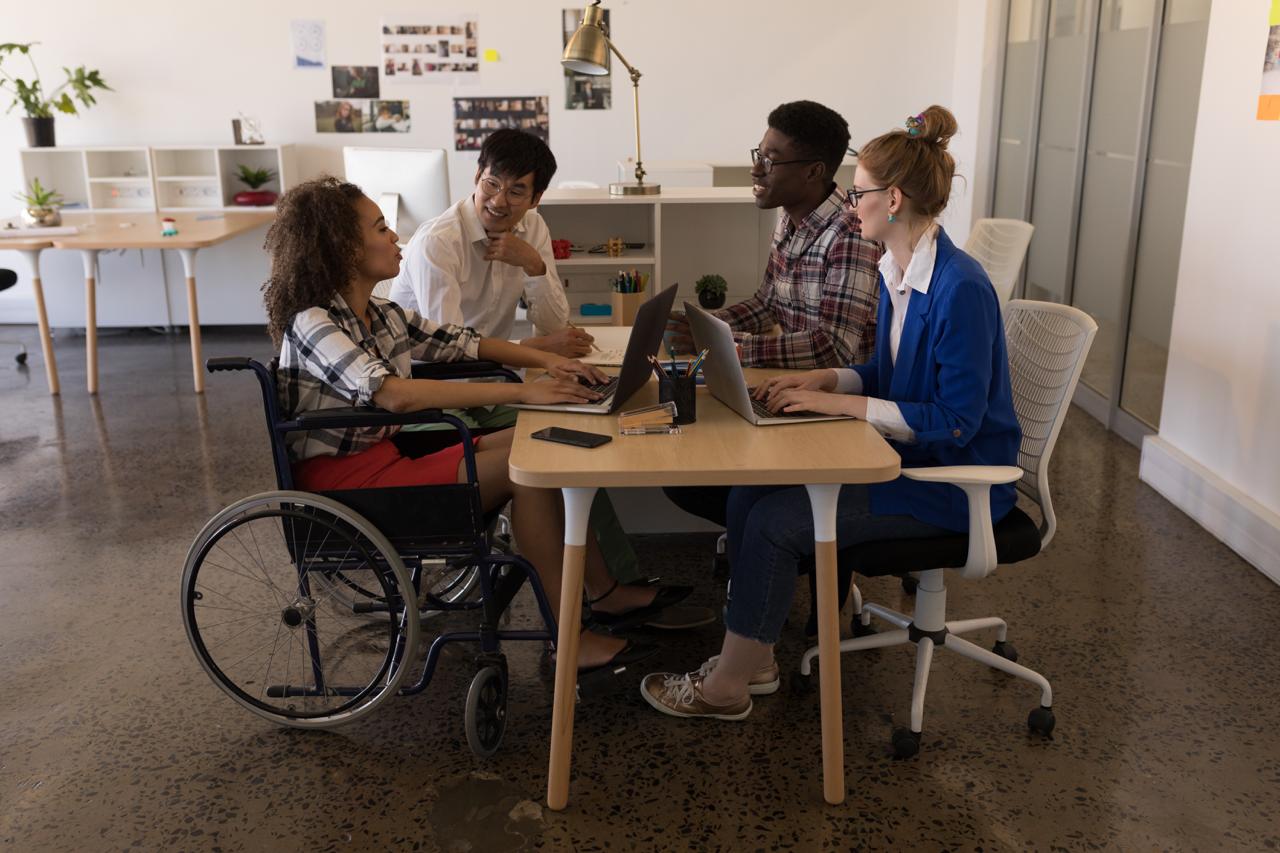
Over the past two decades, DEI has steadily moved up the agenda for UK employers. While it was initially a response to equality legislation, DEI …
While salary, benefits, and career advancement opportunities are still important to UK jobseekers, they’re no longer the only driving factors. More and more candidates want …

Social wellbeing refers to the quality of our social networks and interactions and how connected we feel to other people. Since most people spend most …
REMOTE Principal React Engineer (Software Engineer Programmer Developer Archite...
Finance Systems Manager - Elite 3E - Remote Working Finance Systems Manager wit...
I am currently looking for Trainee Occupational Health Case Managers. My client ...
Senior SAP RE-FX Consultant (Contract/Freelance) - Remote - Europe Overview We a...
Senior Civil Engineer (Contract) Fully Remote (Europe) Competitive Day Rate 8-We...
... team. The position offers flexibility around location, with office-based, ...
